TORQUE
Gear & Parts
The Best All-Season Tires for a Crossover, Tested on Wet Roads
We braked, cornered, and hunted for hydroplane speed with six all-season tires in a 225/65R17 fitment. Here's which ones actually grip when the pavement is slick.
Most all-season tires look similar on paper: broad speed ratings, 60,000-to-70,000-mile warranties, and marketing copy that promises confident grip "in all conditions." On a wet test skidpad, the differences stop being marketing and start being physics. We ran six all-season tires in a 225/65R17 fitment — the size on a mid-trim Toyota RAV4 or Honda CR-V — through the same wet-braking, hydroplane, and cornering tests to find out which ones actually hold on when the road is slick.
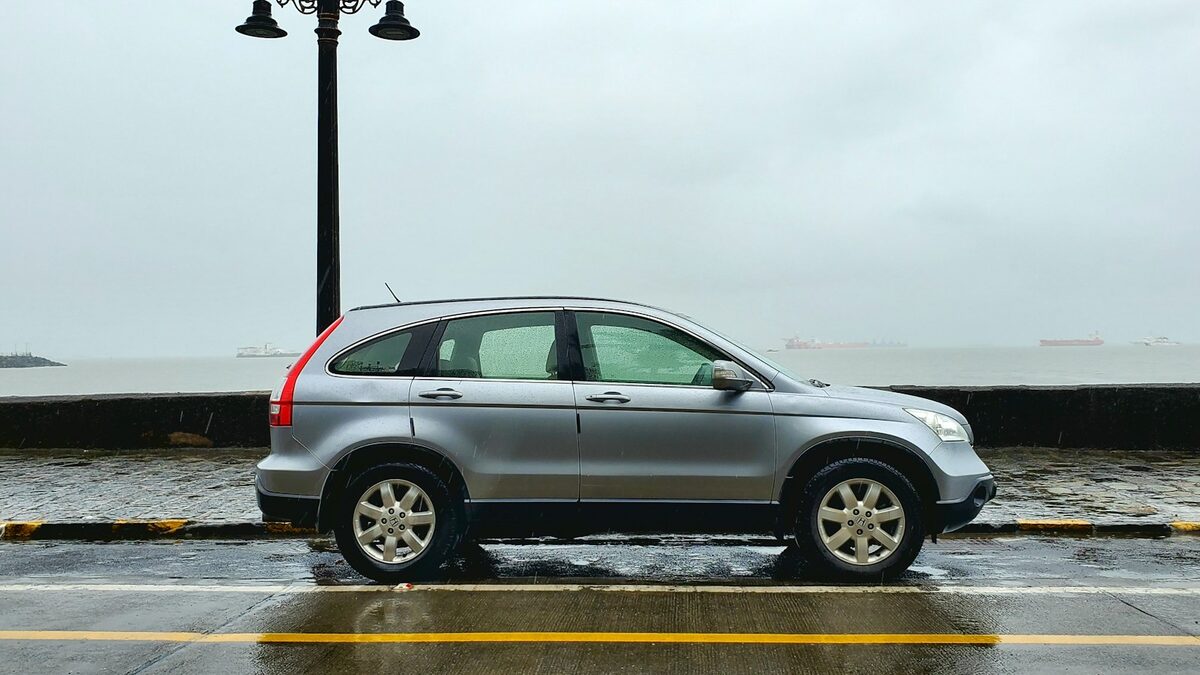
All six sets were mounted on the same long-term Honda CR-V test vehicle, tested on the same closed wet skidpad over two days in early October, with tire pressures matched to the door-jamb spec and tread depth verified new on every set.
The six tires: Michelin CrossClimate2, Goodyear Assurance WeatherReady, Continental TrueContact Tour, Bridgestone WeatherPeak, General Grabber HTS60, and Falken Wildpeak H/T02. We picked this group because all six are commonly recommended for crossovers and all six are easy to find in stock at a normal tire shop, not a boutique order.
Wet Braking: The Number That Matters Most
Wet braking distance from 60 mph to a full stop is the single test that correlates most closely with real-world crash avoidance, so we weighted it heaviest. The Michelin CrossClimate2 stopped shortest at 134 feet. The Falken Wildpeak H/T02, which leans more toward all-terrain capability than pure wet grip, stopped longest at 148 feet — a 14-foot difference that, at 60 mph, is the gap between stopping in time and not.
| Tire | Price (Set of 4) | 60–0 mph Wet Braking | Hydroplane Speed | Tread Warranty |
|---|---|---|---|---|
| Michelin CrossClimate2 | $728 | 134 ft | 51 mph | 60,000 mi |
| Bridgestone WeatherPeak | $648 | 137 ft | 50 mph | 65,000 mi |
| Goodyear Assurance WeatherReady | $612 | 139 ft | 49 mph | 60,000 mi |
| Continental TrueContact Tour | $584 | 142 ft | 47 mph | 70,000 mi |
| General Grabber HTS60 | $496 | 145 ft | 46 mph | 65,000 mi |
| Falken Wildpeak H/T02 | $520 | 148 ft | 45 mph | 60,000 mi |
Hydroplaning Resistance and Cornering Grip
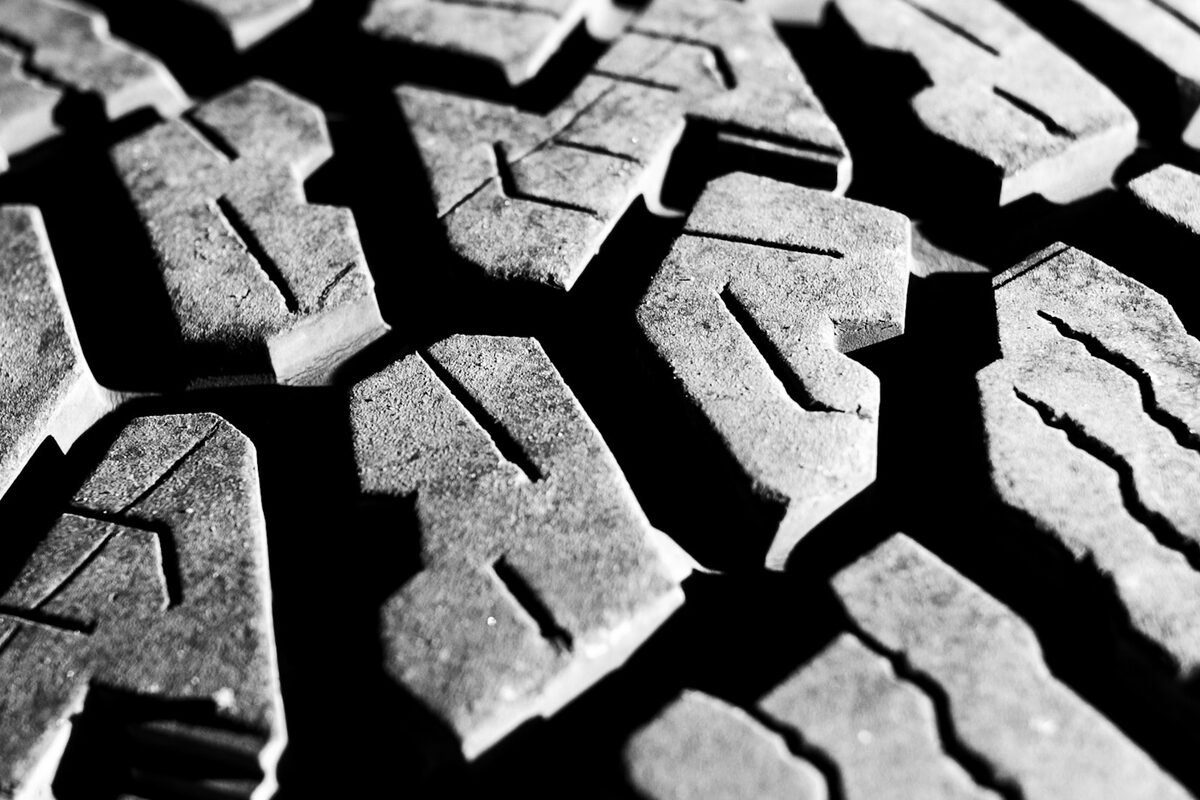
We ran a standing-water hydroplane test at increasing speeds to find the point where each tire lost contact with the road. The CrossClimate2 held on longest, to 51 mph, thanks to its wide circumferential grooves designed specifically to channel water out from under the tread. The budget-oriented General Grabber HTS60 and Falken Wildpeak let go five to six mph sooner — not a huge gap at face value, but enough to matter on a highway on-ramp in a downpour.
Wet cornering told a similar story. On our 200-foot wet skidpad loop, the CrossClimate2 and WeatherPeak both held a noticeably higher sustained speed before the CR-V's stability control intervened, compared with the Grabber and Wildpeak, both of which are tuned more for light off-road use than wet pavement grip.
Noise, Ride Comfort, and Tire Pressure
None of this testing matters if the tires are underinflated, and we checked pressure before every run specifically because a tire running even 4–5 psi below spec loses a measurable amount of wet grip and takes longer to stop. Check your door-jamb sticker, not the number molded into the tire's sidewall — that sidewall figure is the tire's maximum pressure rating, not the recommended pressure for your specific crossover.
On ride quality and interior noise, the Continental and the Goodyear were the quietest of the six on coarse highway pavement, which matched our expectations given both are marketed primarily as comfort-oriented touring tires rather than all-terrain-leaning options like the Falken and General. The Michelin split the difference: noticeably quieter than the Falken, with a slightly firmer ride than the Continental that most drivers won't notice outside of a direct back-to-back comparison.
Our Pick: Michelin CrossClimate2
Pros
- Shortest wet braking distance in the test
- Highest hydroplane resistance
- Also carries a 3PMSF severe-snow rating, unusual for an all-season
Cons
- Most expensive set in the test at $728
- Slightly louder on coarse highway pavement than the Continental
Best Value: Continental TrueContact Tour
If $728 for a set of tires is more than your maintenance budget wants to absorb, the Continental TrueContact Tour is the one we'd actually recommend instead. It gave up only eight feet of wet braking distance to the Michelin, carries the longest tread warranty of the group at 70,000 miles, and costs $144 less per set.
"Tread depth is not the same as tread design. A brand-new budget tire can still hydroplane sooner than a half-worn premium one." Rowan Pike, Parts & Maintenance Editor
Don't Skip the Rotation Schedule
Whichever tire you choose, rotating front to back every 5,000–7,500 miles matters more for all-season wet performance than most buyers realize. Front tires on a front-wheel-drive-based crossover wear faster and shed tread depth sooner, and uneven tread depth across the four corners is one of the fastest ways to lose the balanced grip these tests measured. A tire that tested well new can still hydroplane sooner than our numbers suggest if it's been left on the front axle, unrotated, for 20,000 miles.
Where to Buy and What You'll Pay
All six tires are commonly stocked at Tire Rack, Discount Tire, and Costco Tire Center. The prices above are for the rubber alone; installed pricing typically adds:
- Mounting and balancing: $20–$25 per tire
- Old tire disposal fee: $2–$5 per tire
- Valve stems (if not reused): $4–$6 per tire
- An alignment check, recommended with any new tire set: $90–$140
Budget roughly $125–$160 on top of tire price for mounting, balance, and an alignment check, whichever set you choose. If you buy online through Tire Rack, most installers in their network will mount tires shipped directly to them at no extra charge beyond the standard install fee.