TORQUE
Reviews
2026 Honda CR-V Hybrid Review: The Default Choice, Still
Nothing about the CR-V Hybrid is exciting to describe. Almost everything about it is exactly what most buyers actually want from a crossover.
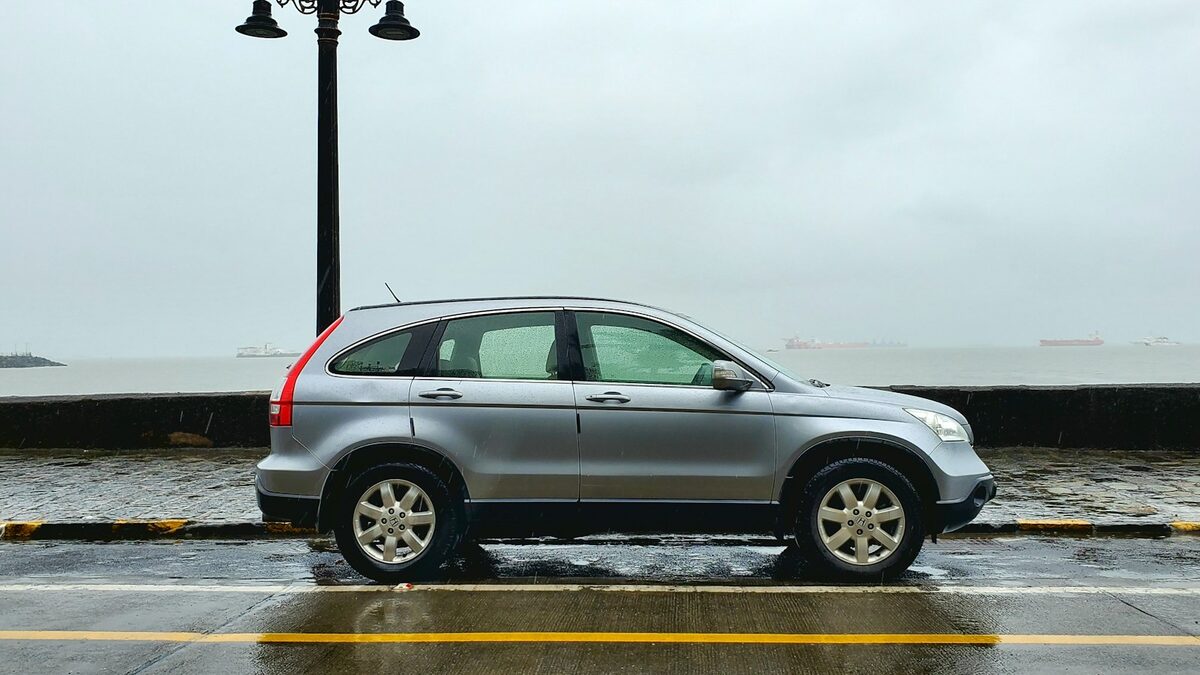
We spent five days and just over 400 miles with a 2026 Honda CR-V Hybrid Sport-L, split between city stop-and-go, a two-hour highway run, and a weekend of hauling lumber and a mounted bike rack. Nothing that happened in those 400 miles was a surprise, and that's the point. The CR-V Hybrid isn't trying to be the most interesting crossover on sale. It's trying to be the one you stop thinking about a week after you buy it, and on that measure, it mostly succeeds.
Key Specs — 2026 Honda CR-V Hybrid Sport-L
- Powertrain
- 2.0L four-cylinder hybrid, two-motor system
- Combined Output
- 204 hp
- 0–60 mph
- 7.6 sec (tested)
- Fuel Economy (combined)
- 40 mpg (EPA)
- Cargo Volume
- 39.3 cu ft behind rear seats
- As-Tested MSRP
- $39,450
How It Drives
Honda's two-motor hybrid system, carried over largely unchanged from the previous generation, remains the best part of this car. Around town, the gas engine frequently shuts off entirely and the CR-V runs on electric motor alone, which makes stop-and-go traffic noticeably quieter and smoother than the four-cylinder-only trims. On the highway, the engine mostly works as a generator rather than a direct mechanical connection to the wheels, which Honda calls a "linear shift control" system rather than a traditional transmission — in practice it just means there's no perceptible shifting at all, only a steady, slightly droney engine note under hard acceleration.
Handling is tuned for comfort over sport, with steering that's light at low speeds and firms up predictably on the highway. It won't surprise anyone who's driven a CR-V in the last decade, and that consistency is clearly intentional.
Interior and Cargo
The cabin is the CR-V's strongest selling point against most of its direct rivals. Rear legroom measures a genuinely generous 41.3 inches, ahead of the Toyota RAV4 and Subaru Forester, and the cargo floor is flat and low, which makes loading a stroller or a cooler easier than in crossovers with a higher liftover height. Materials in our Sport-L tester skewed nicer than expected for the segment — soft-touch surfaces on the upper dash and door panels, with hard plastic confined mostly to the lower door cards and cargo area where it won't show wear.

Infotainment and Driver Assistance
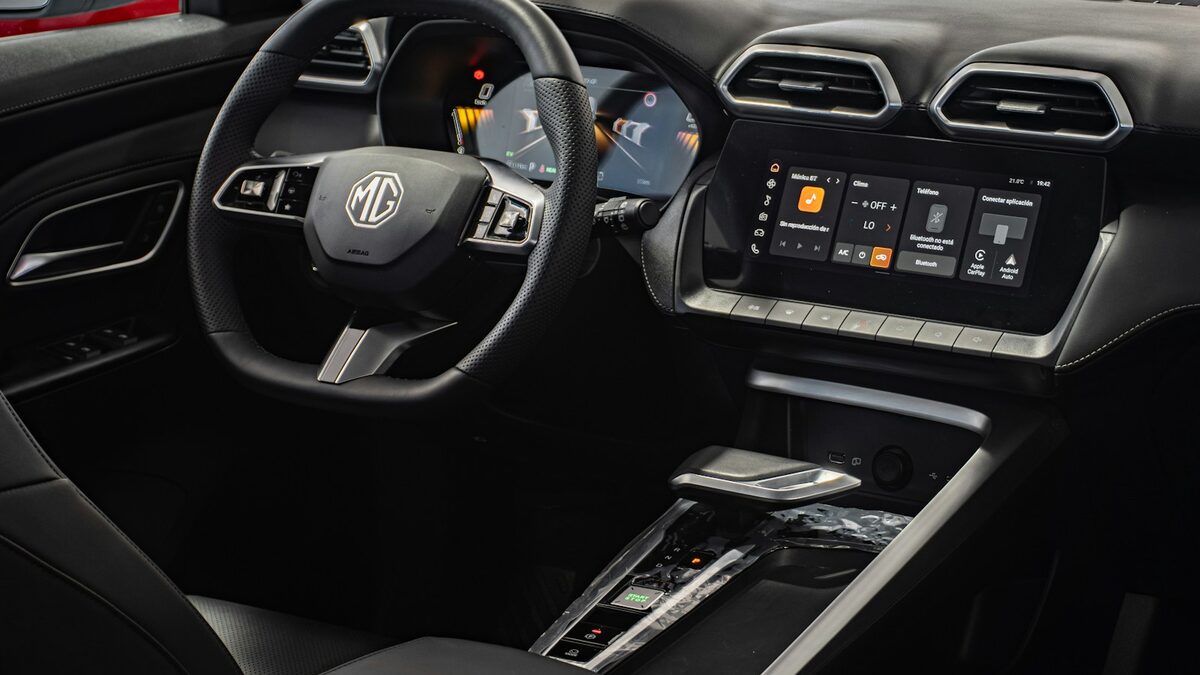
Our Sport-L trim came with Honda's 9-inch touchscreen running wireless Apple CarPlay and Android Auto, along with Honda Sensing, the brand's full suite of adaptive cruise, lane-keeping assist, and automatic emergency braking as standard equipment on every trim. The native software is responsive enough day to day, though menu depth for some climate and drive-mode settings is deeper than it needs to be. Most owners will likely default to CarPlay or Android Auto full-time and rarely touch the native interface beyond climate controls.
Fuel Economy in the Real World
EPA rates the CR-V Hybrid at 40 mpg combined. Over our mixed test loop — roughly 60% city and suburban driving, 40% highway — we logged 38.9 mpg by hand against the trip odometer, which is close enough to the EPA number to trust it as a realistic expectation rather than an aspirational lab figure. On a pure highway stretch at a steady 70 mph, that number dropped to 34.1 mpg, typical for a hybrid system optimized more for stop-and-go efficiency than sustained high-speed cruising.
Pros
- Genuinely spacious, well-finished interior for the segment
- Smooth, quiet low-speed hybrid operation
- Honda Sensing standard on every trim
Cons
- Highway fuel economy trails the city-driving figure noticeably
- Native infotainment menu structure is deeper than it needs to be
- Steering and handling tuned strictly for comfort, with little driver engagement
How It Compares to the RAV4 and CX-5
Against the Toyota RAV4 Hybrid, the CR-V's advantage is cabin refinement and that flatter, lower cargo floor; the RAV4 counters with a slightly higher EPA rating in some trims and a reputation for long-term reliability that's hard to argue with. Against the Mazda CX-5, the comparison flips — the CX-5 drives with noticeably more engagement and a nicer-feeling interior at the top trims, but it doesn't currently offer a hybrid powertrain in the U.S. market, which rules it out entirely for buyers prioritizing fuel economy over driving feel. None of the three is a wrong answer. They're just optimized for slightly different priorities, and the CR-V Hybrid's is comfort and interior space first.
Towing and Cargo Flexibility
Honda rates the CR-V Hybrid for 1,000 pounds of towing, which is enough for a small utility trailer or a pair of jet skis but well short of what a V6-powered midsize SUV offers. With the rear seats folded, our test vehicle swallowed a full sheet of 4-by-8 plywood at an angle with the tailgate closed, something that wouldn't have worked in several competitors with a higher load floor. For most owners who need occasional light hauling rather than regular towing duty, that cargo flexibility will matter more day to day than the tow rating ever will.
"The CR-V Hybrid doesn't win any single category outright. It just doesn't lose badly in any of them, which is a harder thing to engineer than it sounds." Owen Castellano, Road Test Editor
Verdict
The 2026 CR-V Hybrid earns an 8.4 out of 10 from us, the same score range it's held across the last two model years, because Honda hasn't needed to change much. The interior space, hybrid refinement, and standard safety suite still outpace most of the segment, and the real-world fuel economy holds up against the EPA sticker closer than most hybrids manage. It's not the crossover we'd pick if driving engagement mattered most to us. For nearly everyone else cross-shopping this segment, it remains the one to beat.