TORQUE
Tech
Why Your Car's Infotainment Feels Slow (and It Is Not Your Phone)
Your phone gets faster every year. Your car's touchscreen gets exactly as fast as it was the day it was built, and stays that way for a decade.
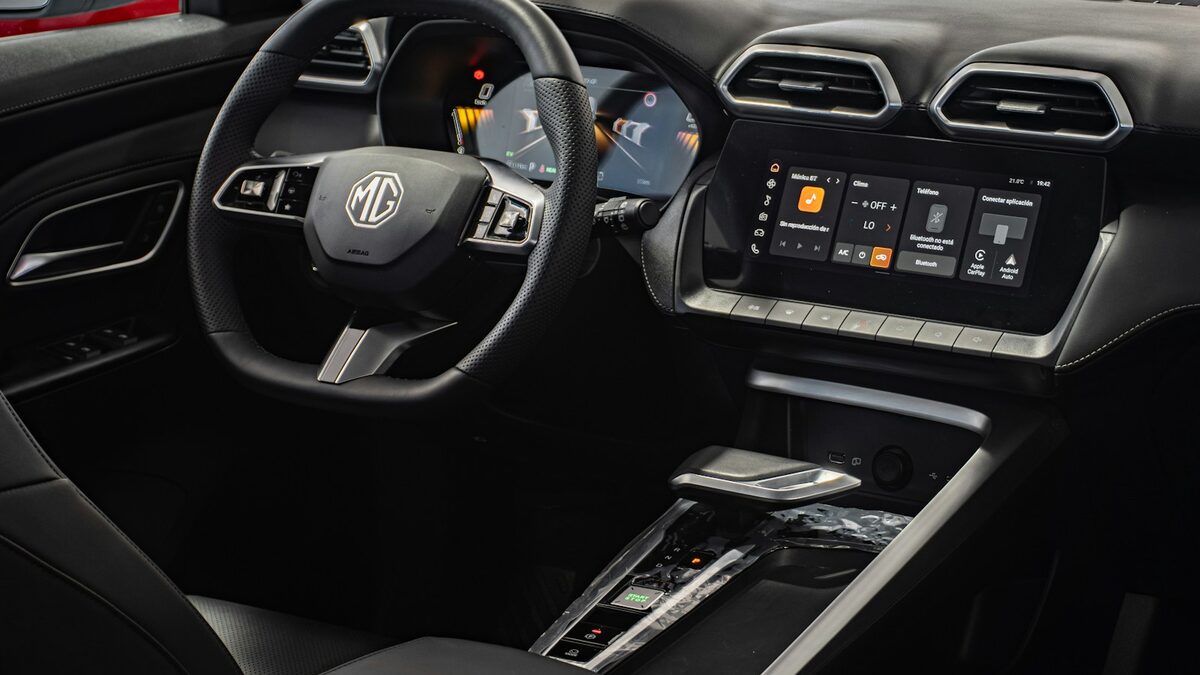
Your phone, roughly every two to three years, gets measurably faster, because the chip inside it gets replaced with a newer one. Your car's infotainment screen doesn't work that way. The processor running your touchscreen was selected somewhere between two and five years before the car ever reached a dealer lot, and it will run that exact same chip, unchanged, for the entire production run of that model — often seven or eight years. That mismatch, more than anything else, is why a brand-new car's touchscreen can still feel like it's thinking about your tap before it responds.
The Chip Inside Your Dashboard Is Older Than You Think
Automakers typically lock in an infotainment system's hardware specification during the vehicle's development phase, which runs three to five years before launch. A 2026 model year car, in other words, may be running a processor that was considered current around 2022 or 2023 — already a generation or two behind the chip in a phone you bought this year. Unlike a phone, where the manufacturer controls the whole supply chain and can swap in a newer chip revision relatively quickly, automotive infotainment hardware goes through a lengthy automotive-grade qualification process: testing for temperature extremes, vibration, and a multi-year reliability standard that consumer electronics simply don't have to meet.
Why Automakers Don't Upgrade Hardware Mid-Cycle
Swapping the processor in an infotainment system isn't like a software update. The screen, the chip, the wiring harness, and the climate and vehicle-control integrations are all designed around one specific hardware package, validated together as a unit. Changing the chip mid-production would mean re-validating the entire system against crash-safety and electromagnetic-interference standards, which costs tens of millions of dollars and months of testing for a change most buyers wouldn't even notice until they compared it directly to a newer model year.
CarPlay and Android Auto Mask the Problem, Mostly
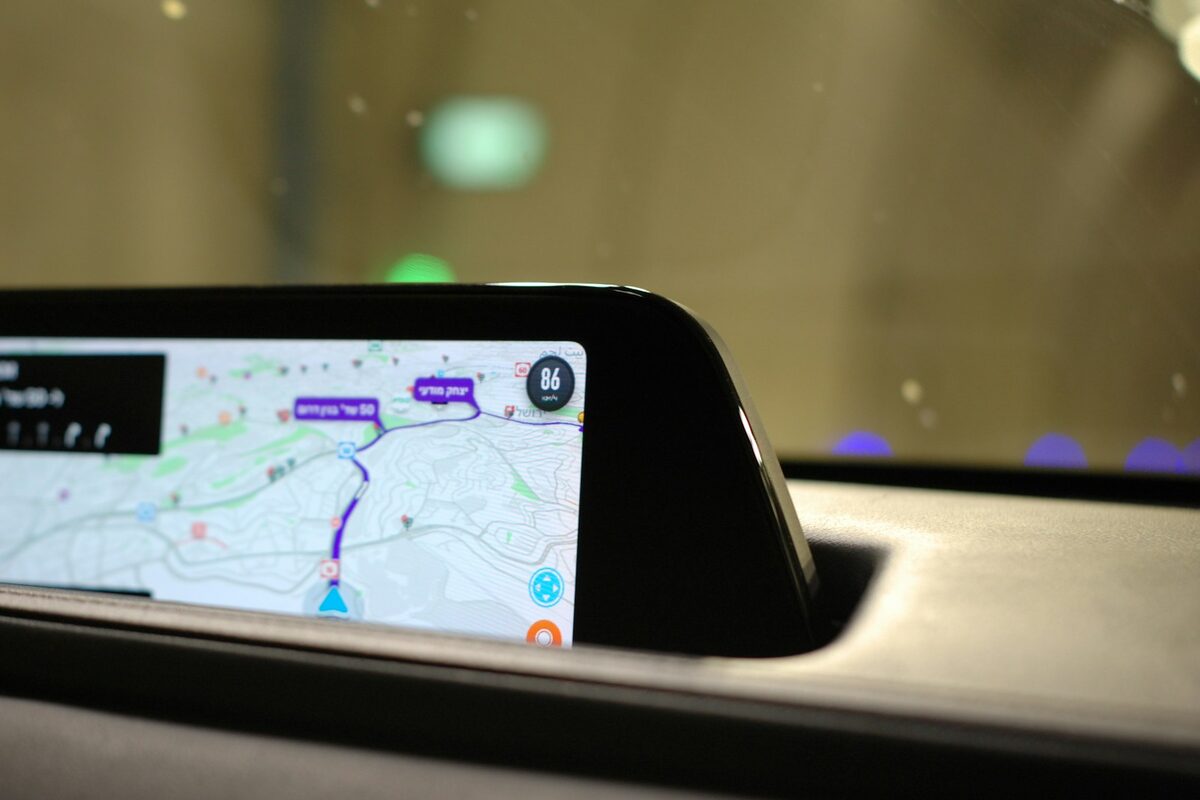
Apple CarPlay and Android Auto help because the heavy lifting — rendering maps, running apps, handling voice recognition — happens on your phone's much newer processor, with the car's screen acting mostly as a display and touch-input surface. That's why CarPlay often feels snappier than a car's native interface. But it's not a complete fix: the car's own chip still has to composite that video feed, handle the touch response, and simultaneously run the gauge cluster, climate controls, and backup camera, all on hardware that hasn't gotten faster since the day the car was designed.
Over-the-Air Updates: The Exception, Not the Rule
A small number of automakers, Tesla being the clearest example and a handful of other brands following more recently, use over-the-air software updates to meaningfully improve infotainment responsiveness over a car's life, by optimizing software efficiency against the fixed hardware. Most mainstream brands' updates are narrower — bug fixes, map data refreshes, security patches — because without controlling their own chip and software stack end to end the way Tesla does, there's only so much performance to extract from the same processor through software alone.
- Fixed hardware spec, locked in years before launch
- Automotive-grade qualification requirements that slow any hardware revision
- Multiple simultaneous tasks — gauges, cameras, climate, infotainment — competing for the same limited processor
- Software updates that mostly patch bugs rather than meaningfully speed up the system
"Your phone's processor is maybe eighteen months old. Your car's might be designed around a chip that was current when the previous presidential term started." Owen Castellano, Road Test Editor
Why Luxury Brands Sometimes Feel Different
If you've noticed a luxury model feels snappier than a mainstream crossover from the same model year, it's usually not a software difference — it's a hardware budget difference. Premium brands can justify a more expensive processor on a $55,000 vehicle in a way that doesn't pencil out on a $28,000 one, so the chip gap between a mainstream crossover and a luxury SUV released the same year can be larger than the gap between two generations of the same mainstream nameplate five years apart. It's one of the few places where the sticker price buys you something you can actually feel every time you touch the screen, rather than something you'd only notice on a spec sheet.
What's Changing in 2027 Models
A few automakers are moving toward centralized "vehicle computer" architectures, where one much more powerful processor handles infotainment, driver assistance, and other functions together, with the explicit goal of supporting meaningful performance upgrades via software later in the vehicle's life — closer to how a modern phone or game console gets faster through updates, not just bug fixes. Honda, Hyundai, and GM have all previewed versions of this approach for 2027 model year vehicles. It's a real shift, but it will take a few more product cycles before it's standard across the industry rather than a flagship-trim feature.
In the meantime, the most reliable fix available to anyone right now is also the simplest: plug in CarPlay or Android Auto and let your phone, not the car, do the heavy lifting. It won't speed up the gauge cluster or the climate menu, but it moves the single most processor-intensive task — navigation rendering — off the car's aging chip entirely, which is usually where the lag was coming from in the first place. It's a workaround, not a fix, but it buys most drivers several years of a noticeably snappier dashboard without waiting for the next generation of in-car computing to arrive.