TORQUE
Insurance
What We Paid for Insurance on Six Popular 2026 Crossovers
We ran the same driver profile through three major insurers for six of the best-selling crossovers on sale right now. The spread between the cheapest and most expensive was bigger than we expected.
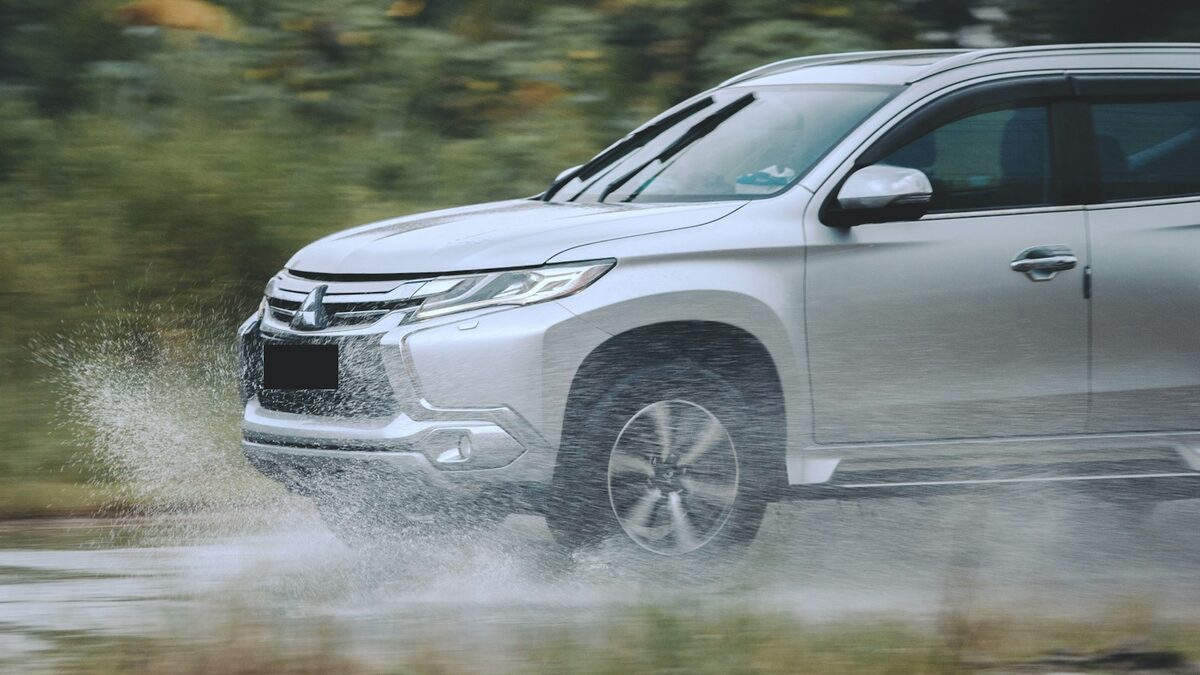
We priced six-month insurance premiums for six of the best-selling 2026 crossovers using a single driver profile: a 42-year-old married homeowner in Columbus, Ohio, with a clean driving record, a 15-mile commute, and full coverage with a $500 deductible on collision and comprehensive. Every quote came from the same three insurers — Progressive, State Farm, and Geico — through their public online rate tools between October 6 and October 14, 2026, so the only thing that changed from quote to quote was the vehicle.
That matters more than it sounds like it should. Two crossovers that cost almost the same to buy can carry premiums several hundred dollars a year apart, because insurers price risk on repair cost, parts availability, theft data, and safety-system claims specific to each model — not on the sticker price.
The six vehicles: the 2026 Toyota RAV4 XLE AWD, Honda CR-V EX-L AWD, Mazda CX-5 Preferred AWD, Subaru Forester Premium AWD, Kia Sportage EX AWD, and Hyundai Tucson SEL AWD. All six are mid-trim, all-wheel drive, and reasonably close in price, which is what made the premium gap interesting.
The RAV4 and CR-V, the two best-selling crossovers in the country, landed close to the middle of our six-car spread, which tracks with what claims data usually shows: high-volume vehicles have abundant parts supply and well-understood repair costs, and both of those keep premiums predictable rather than cheap or expensive outright.

We also asked each insurer to break out why a given vehicle landed where it did, rather than just handing over a number. The answers were more specific than the usual "it depends on a lot of factors" line agents tend to give over the phone: underwriters pointed to average repair labor hours by model, the cost and availability of ADAS sensor recalibration after a windshield or bumper repair, and three-year theft-claim frequency pulled from the National Insurance Crime Bureau's shared database. None of those factors show up on a window sticker, which is exactly why cross-shopping insurance before you buy catches people off guard.
Where the Six-Month Premiums Landed
Here's the full breakdown, averaged across the three insurers we quoted for each vehicle.
| Model & Trim | 6-Mo. Full Coverage | 6-Mo. Liability Only | Annual Estimate |
|---|---|---|---|
| Kia Sportage EX AWD | $589 | $277 | $1,178 |
| Honda CR-V EX-L AWD | $598 | $286 | $1,196 |
| Hyundai Tucson SEL AWD | $604 | $288 | $1,208 |
| Toyota RAV4 XLE AWD | $612 | $298 | $1,224 |
| Mazda CX-5 Preferred AWD | $671 | $319 | $1,342 |
| Subaru Forester Premium AWD | $703 | $334 | $1,406 |
Why the Forester and the CX-5 Cost More to Insure
The Forester's premium surprised us the most, given Subaru's reputation for safety. Two things drive it. First, the Forester's EyeSight camera system sits behind the windshield, and a cracked or misaligned windshield on a car with EyeSight isn't a $300 glass claim anymore — it's a $900–$1,400 claim once the cameras are recalibrated. Insurers price that in. Second, the Forester's parts network is thinner than Toyota's or Honda's in a lot of regions, which slows repairs and raises rental-car costs on a claim.
The CX-5's premium runs a similar path for a different reason: Mazda shares body panels and some trim-level equipment across the CX-5 and CX-50 lineup, and both have had above-average theft and vandalism claims in parts of the Midwest since 2024, according to loss data the insurers cited when we asked about the quote.
The Kia and Hyundai Surprise
We expected the Sportage and Tucson to carry a theft surcharge left over from the viral "Kia Boyz" social media trend that spiked thefts of certain Kia and Hyundai models a few years ago. They didn't. Both automakers added standard engine immobilizers across their 2023 and later lineups, and insurers have mostly priced that fix into current quotes. The Sportage, in fact, came in cheapest of all six vehicles we tested.
Bundling: What Actually Moved the Price
We also asked each insurer what would change the number for a typical shopper. A few things consistently moved the needle:
- Bundling home and auto insurance: 9%–14% off the auto premium across the three insurers
- Paying the full six-month premium up front instead of monthly installments: $22–$41 saved per term
- Adding a second vehicle to the same policy: 8%–11% off both cars
- Usage-based tracking programs (Snapshot, Drivewise, and similar apps): up to 15% for drivers who stay under 55 mph on hard-braking events
"The single biggest lever most shoppers skip is also the simplest one: getting a quote before you sign the loan, not after." Vanessa Kowal, Insurance Editor
What Changes If You Live Somewhere Else
Columbus is a deliberately boring baseline. Move the same driver and the same Subaru Forester to a different state and the number changes fast. In Michigan, a no-fault state with mandatory Personal Injury Protection, the Forester's six-month quote jumped to roughly $1,046. In Florida, where uninsured-motorist exposure runs high, every vehicle on this list added $260–$340 a year regardless of trim. California was the outlier in the other direction — quotes there stayed close to our Ohio baseline across all six vehicles, a side effect of Proposition 103's rating restrictions, which limit how much insurers can weight certain risk factors.
A Note on Driver Age and Driving Record
Our baseline profile is a clean-record 42-year-old, which is close to the cheapest demographic an insurer will quote. Add a driver under 25 to any of these six policies and the number changes dramatically — we spot-checked the RAV4 quote with a 22-year-old second driver added to the same policy and watched the six-month premium climb from $612 to $1,340, more than double. A single at-fault accident or a speeding ticket in the last three years typically adds 20%–40% to any of the quotes above, regardless of which crossover is involved. The vehicle matters, but it's rarely the biggest lever on the final number.
Get a Quote Before You Buy
If you're cross-shopping any of these six crossovers, get an insurance quote before you sign anything at the dealership — not after. A $400-a-year gap between two similarly priced crossovers is easy to miss when you're focused on the monthly payment, and by the time you've driven the car home, you've already locked in whichever premium came with it.