TORQUE
DIY & Maintenance
How to Change Your Own Cabin and Engine Air Filters
It's a fifteen-minute job that most shops charge $40-$70 to do. Here's how to find both filters, swap them yourself, and know when it's actually time.
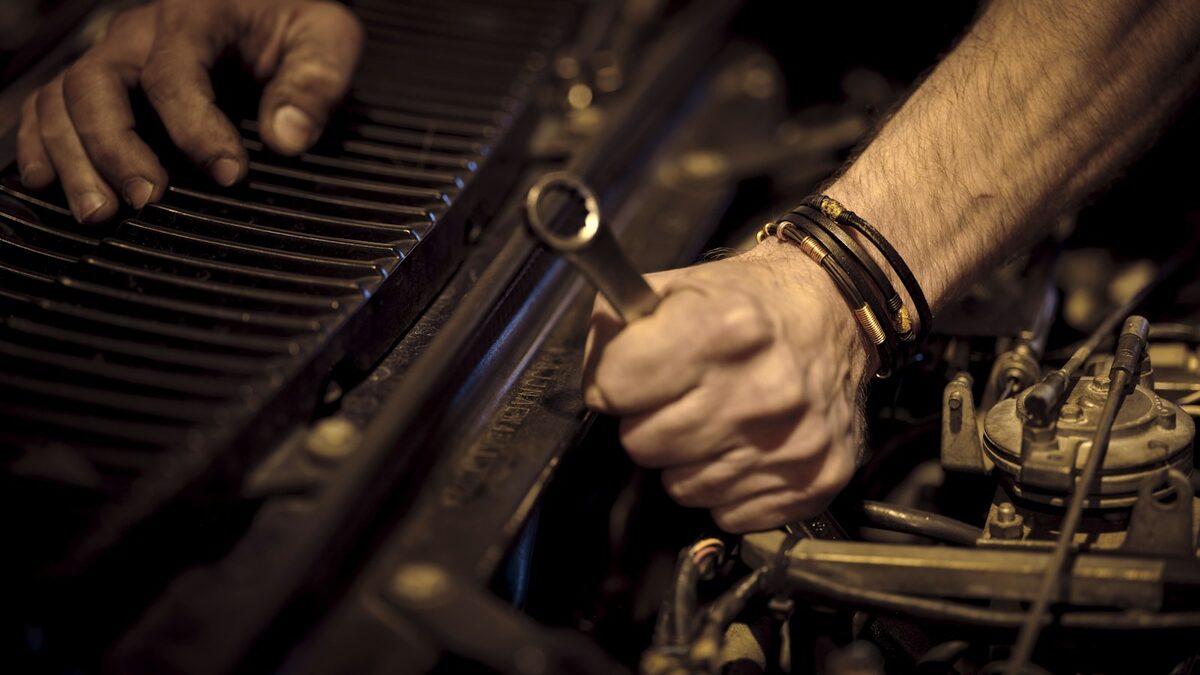
Of all the maintenance items a shop bills you for, the cabin and engine air filters are the two you have the least excuse to pay someone else to do. Neither filter requires a lift, a specialty tool, or draining any fluid. On most crossovers and sedans built in the last fifteen years, both jobs together take less than fifteen minutes, and the parts cost a fraction of what a shop charges for the same filter plus labor.
We're not talking about the oil filter here — that one lives inside a pressurized lubrication system and getting it wrong means a mess at best and an oil leak at worst. Cabin and engine air filters are both accessed from outside the car's sealed systems, held in place with simple clips or screws, and genuinely hard to install wrong.
A shop will typically charge $35–$50 for a cabin filter swap and $25–$40 for an engine filter swap, mostly labor on parts that cost $12–$25 each at a parts store. Doing both yourself saves roughly $50–$90 per visit, and most cars need this done every 12,000–15,000 miles.
What You'll Need
- The correct cabin air filter for your exact make, model, and year — look it up by VIN or license plate at a parts store counter, or use the filter finder tool on FRAM, Mann, or K&N's websites
- The correct engine air filter, same lookup method
- A flathead screwdriver or plastic trim-panel tool, for cabin filter housings with screw-in or clipped covers
- A pair of nitrile or mechanic's gloves
- A flashlight or phone light
- A shop vacuum or a can of compressed air, optional but useful for clearing debris out of the housing before installing the new filter
Finding and Replacing the Cabin Air Filter
On most vehicles built since roughly 2010, the cabin air filter lives behind the glovebox. Empty the glovebox, and look for either a small access panel on the back wall of the glovebox cavity, or a need to drop the glovebox itself by squeezing the plastic stops on either side so it swings down further than normal. Behind that panel is a rectangular filter, usually with an airflow-direction arrow printed on the frame.
Slide the old filter out, note which direction the arrow pointed, and vacuum out any loose leaves or debris sitting in the housing — it's common to find a surprising amount of organic debris in there even on a car that's never been off pavement. Slide the new filter in with the arrow facing the same direction, and snap the access panel or glovebox back into place.
Finding and Replacing the Engine Air Filter
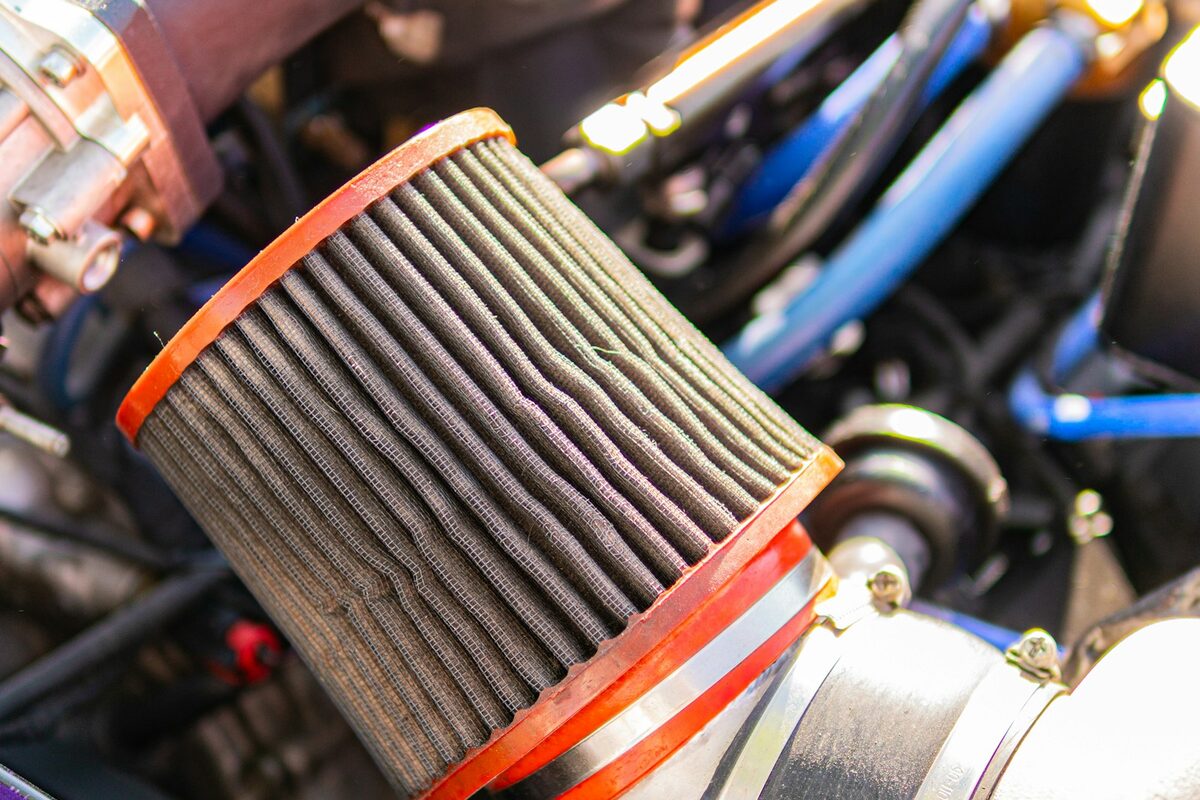
The engine air filter sits in a black plastic housing in the engine bay, usually a rectangular or slightly curved box with a snorkel-shaped intake tube running to it. Pop the hood and look for a housing with either spring clips along the sides or a few Phillips-head screws holding the lid down.
Open the clips or remove the screws, lift the lid, and the filter will lift straight out — there's no tool needed for this on nearly every mainstream crossover or sedan. Wipe out any leaves or dust sitting in the housing, drop the new filter in facing the same orientation as the old one, and close the lid, making sure the clips or screws seat fully so the housing stays sealed against unfiltered air sneaking in around the edges.
Signs You're Overdue
Both filters give off warning signs before you hit the mileage interval. A clogged cabin filter usually shows up first as weak airflow from the vents even with the fan on high, or a musty smell when the AC kicks on — trapped moisture on a dirty filter is a common source of that smell, and a fresh filter often clears it up without touching anything else. A clogged engine air filter is quieter about it: you might notice slightly reduced fuel economy or a vague loss of low-end power, because the engine is working harder to pull air through a restricted filter. Neither symptom is dramatic enough that most drivers connect it to the filter, which is part of why shops are happy to bill for inspections drivers could do themselves in under a minute by just pulling the filter and holding it up to a window.
How Often to Actually Do This
Most manufacturers list 12,000–15,000 miles for both filters, but actual replacement interval depends heavily on where you drive. If you spend a lot of time on dusty gravel roads, near agricultural fields, or in heavy urban pollution, both filters will load up faster and are worth checking every oil change, not just replacing on the mileage schedule.
"Hold the old filter up to a light. If you can't see light through it, it's not filtering air anymore — it's just blocking it." Rowan Pike, Parts & Maintenance Editor
When to Just Pay the $25
A handful of vehicles bury the cabin filter somewhere less convenient, like under the dash on the passenger floorboard, or require removing a wiper cowl panel to reach the engine filter housing. If your specific car falls into that category, it's a reasonable job to leave to a shop during an oil change rather than fighting with trim clips you've never dealt with before. For the large majority of crossovers and sedans on the road, though, this is a job within reach of anyone with fifteen minutes and a parts-store receipt.